Capabilities Government Contracting Ag-Tech Solutions
Backup Power
About Experience & Approach Partner Registration Contact Get Started
← Backup Power SolutionsDifferent Goals, Different Systems

What do you need
your power to do?

Use more sunlight. Keep the essentials running. Power a place beyond the grid. Start with the job; then choose the system.

Illustrative concept · A purpose-built solar canopy, separate from the home’s roof

Find Your Fit

Same sunlight.
Different jobs.

These are system types, not size limits. Larger home, farm, shop and commercial projects are welcome.

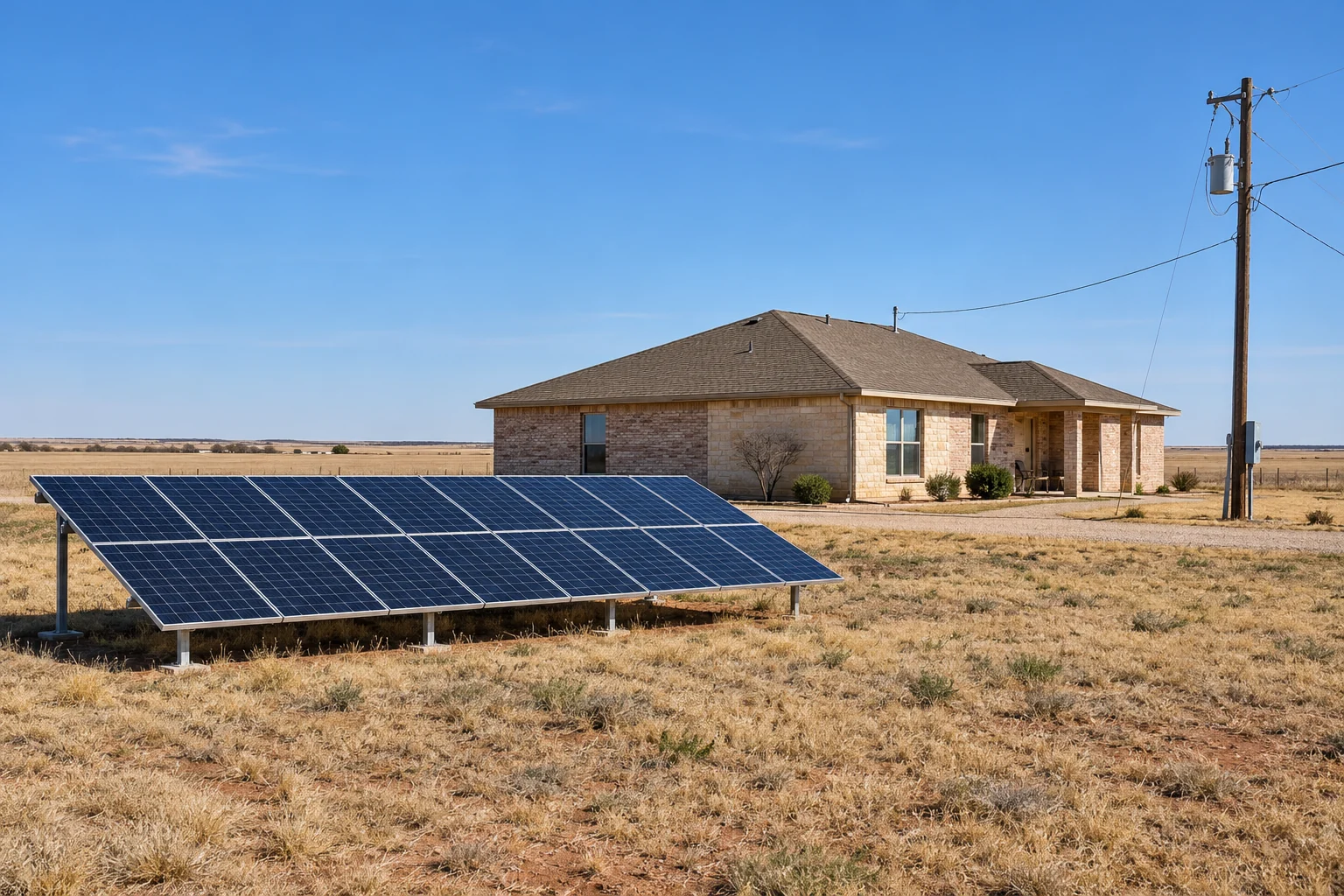
Concept scene of a home with a ground-mounted solar array and visible utility service
Illustrative concept · Grid-connected property
01 / Grid-connected solar

Use sunlight during the day.

Reduce electricity purchased while solar is producing. Export compensation depends on your provider’s tariff.

Best starting questionHow much power do you use during sunny hours?

What happens in an outage?

Standard grid-connected solar alone generally shuts down when utility power fails. Ask specifically which circuits would still work. Solar production and outage backup are separate capabilities.
Check utility credit claims →
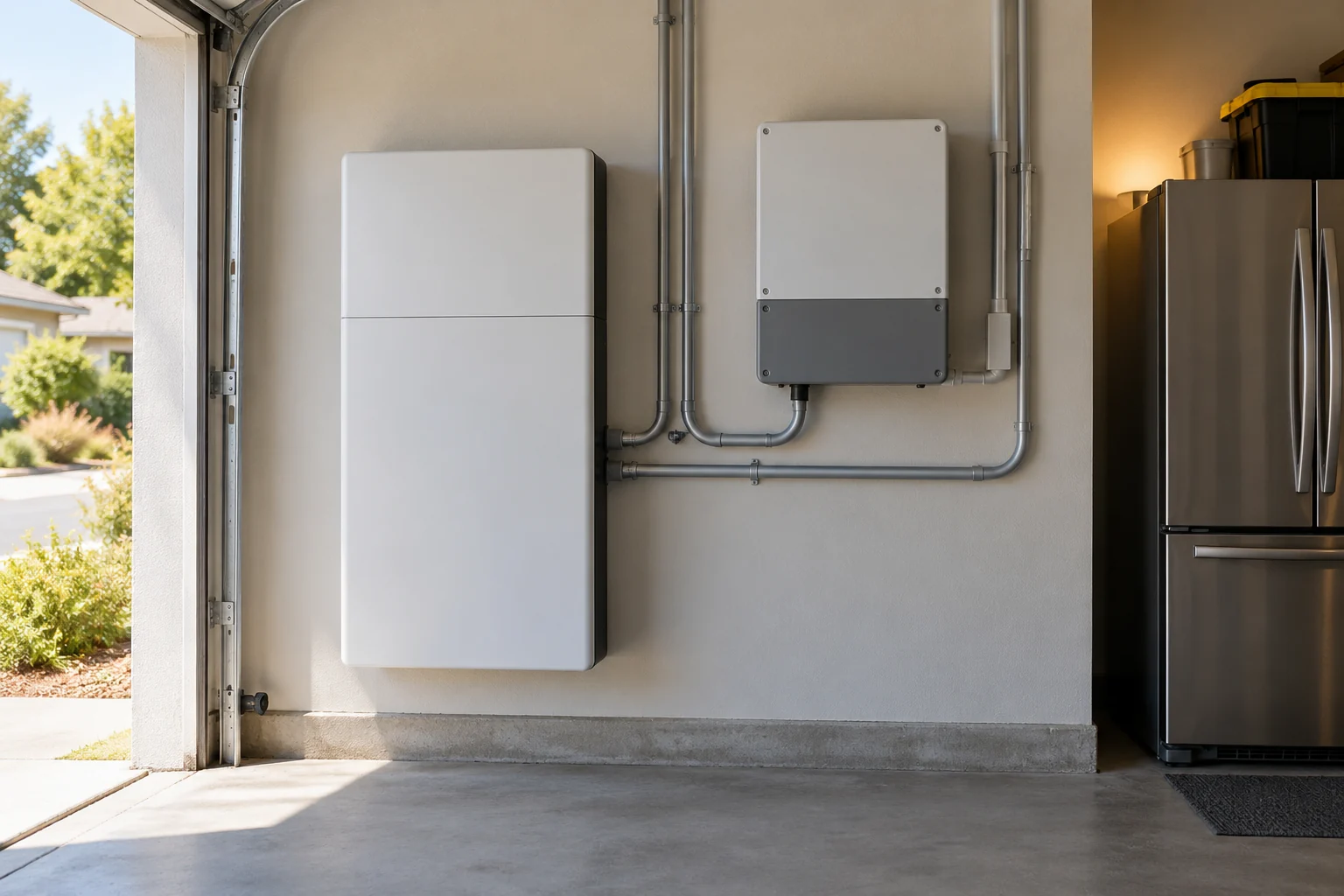
Illustrative garage scene with closed, unbranded battery and inverter enclosures beside a refrigerator
Illustrative concept · Solar + battery backup
02 / Solar + battery backup

Protect selected loads.

Store energy for later and supply agreed circuits with equipment configured for safe backup operation.

Best starting questionWhat must stay on, and for how long?

What determines runtime?

The inverter limits simultaneous power. Usable battery energy, the load, starting charge and recharge conditions affect runtime. Compatible equipment must safely separate backed-up circuits from an unavailable grid.

See K2’s three starting points →
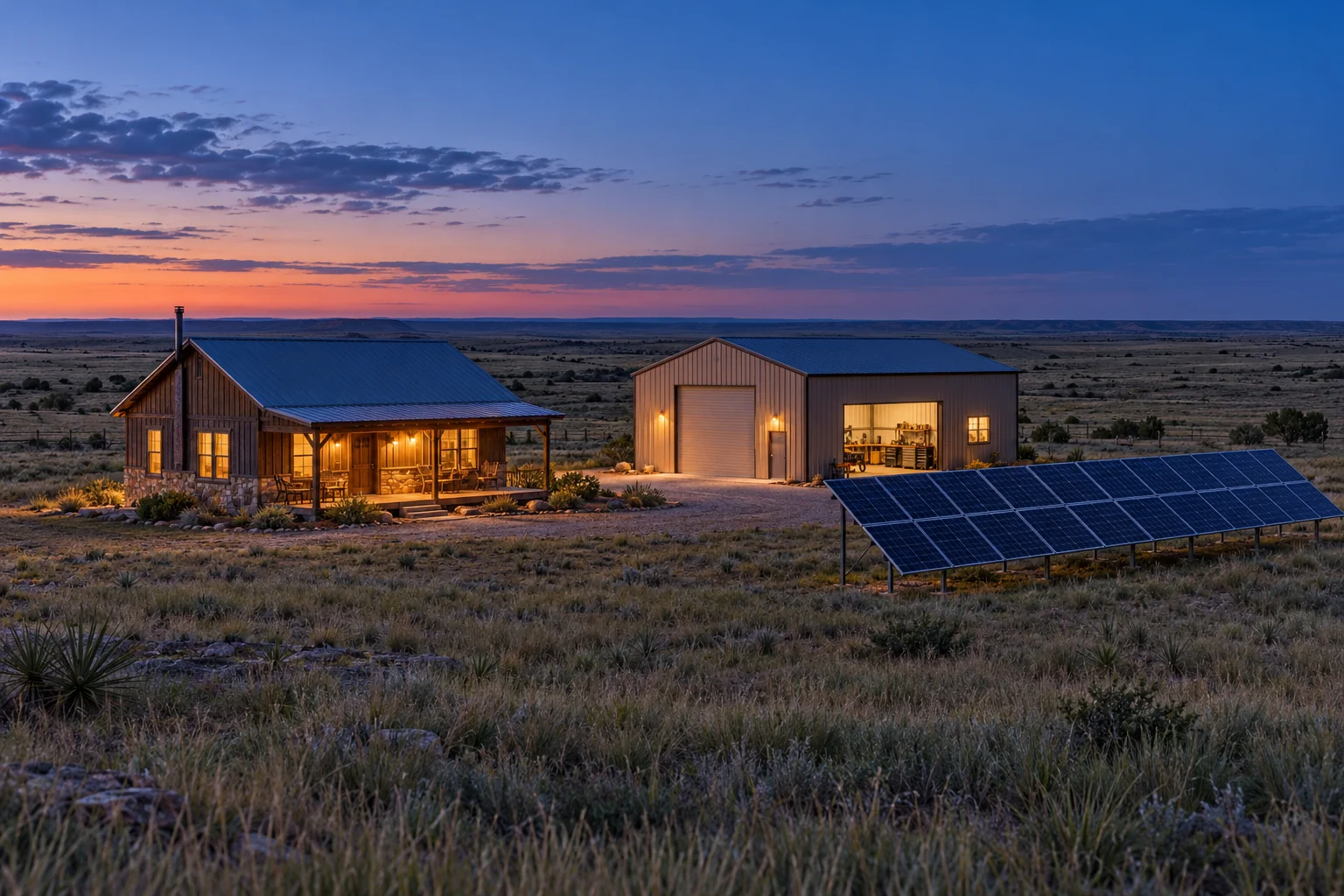
Concept scene of a remote ranch cabin and shop at dusk beside a ground-mounted solar array
Illustrative concept · Independent ranch power
03 / Off-grid power

Plan for every day.

A place without utility service needs a plan for daily energy use, seasonal sunlight and reserve storage.

Best starting questionWhat is the plan after several cloudy days?

What belongs in the design?

Review seasonal energy use, battery reserve, extended poor weather, load management and a generator option where appropriate. Off-grid sizing starts with your actual loads and site conditions.

Gather your project details →

Technical background: U.S. Department of Energy: Solar and Resilience Basics ↗

Built around your loads and site. Electrical design, connection and licensed electrical work are handled by a Texas-licensed electrical contractor.

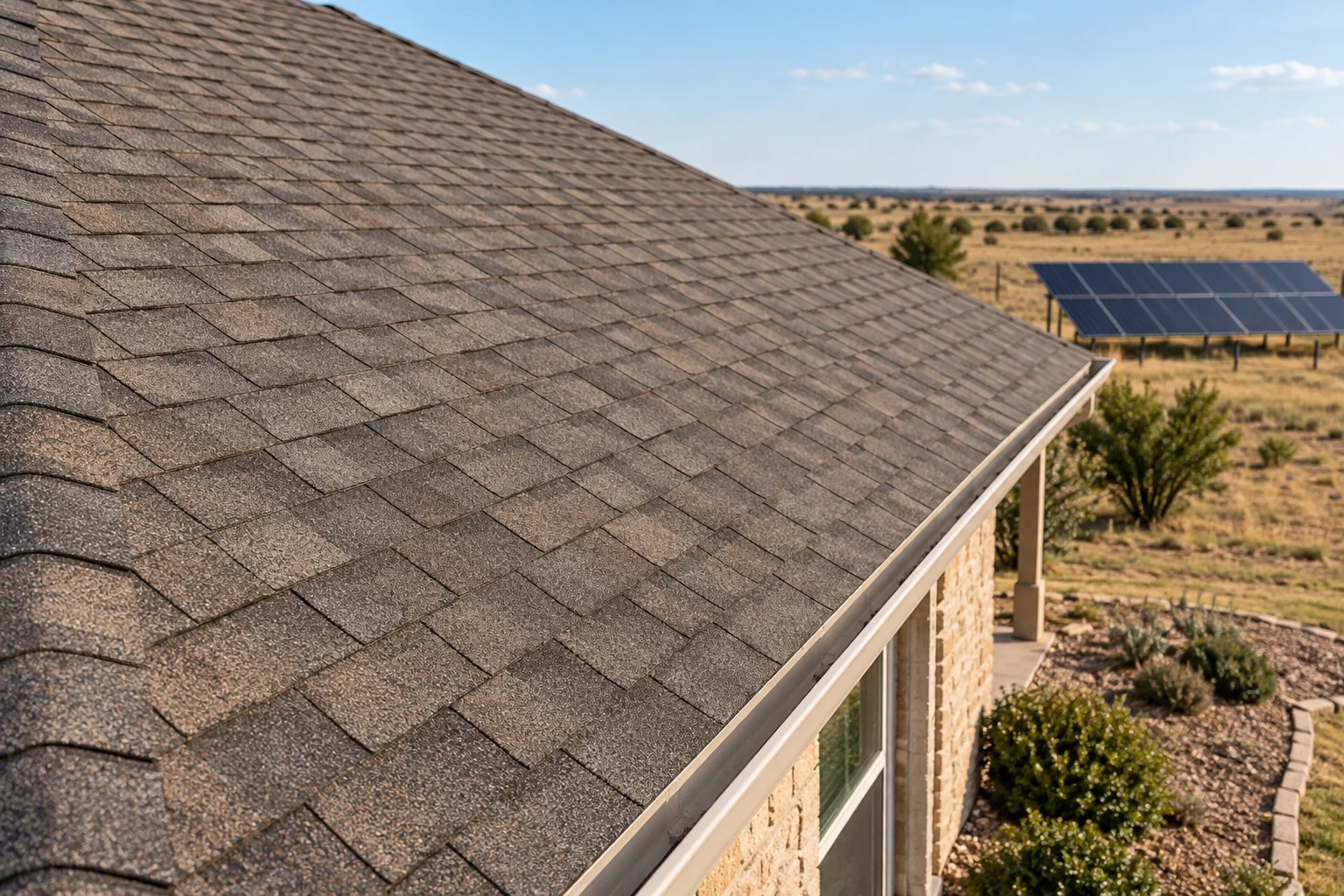
Illustrative close view of an intact home roof, with a separate ground-mounted solar array in the yard
Illustrative concept · Keep the home’s roof separate from the array
Mounting & Your Property

More power,
with your roof in mind.

Your roof is a major part of your home. Our preferred ground mounts keep solar-panel attachments off it, and keep future roof work separate from the array.

Plan for warranties & insurance →

Three roof questions worth asking.

01

Will the roof need replacing?

A rooftop array may need to be removed and reinstalled for roof replacement. Ask who handles that work, what it costs and how downtime is managed.

DOE: roof replacement & array removal ↗
02

How is water kept out?

Roof penetrations need properly integrated flashing and sealing. Poor details can allow water intrusion. A ground mount avoids adding panel-mounting penetrations to the home’s roof.

PNNL: flashing roof penetrations ↗
03

What do the written terms say?

Review roof and workmanship warranties, contractor insurance documents and your carrier’s requirements. Mounting choice alone does not guarantee coverage or lower premiums.

See the insurance questions →

Choose the structure that suits the property.

Our preferred approachGround mount

Review sun exposure, access, soil and foundations, wind loads, setbacks and the electrical trench route. The array has its own structure, separate from the home’s roof.

Shade + generationPurpose-built carport or canopy

A solar canopy may combine useful shade with generation. It needs a defined structural design, wind-uplift and foundation review, permits where required and a separate scope.

Review before promisingExisting awning or metal roof

Considered after structural, roof-profile, mounting and warranty review. Some standing-seam profiles can use tested non-penetrating clamps; other metal roofs use different methods. A “tin roof” alone does not establish suitability. Final choices follow roof-specific engineering and manufacturer requirements.

S-5!: roof-specific metal mounting methods ↗

More background: DOE: roof suitability and replacement planning ↗

A Better Comparison

Compare the actual scope.

Five things to put in writing before you compare prices. Open the details that matter to you.

01LoadsWhat stays on?

Named circuits, starting surges and equipment that is excluded.

02RuntimeFor how long?

Usable battery capacity, assumed load, starting charge and recharge conditions.

03GrowthWhat can be added?

Inverter, battery and array limits; compatible additions and any future electrical work.

04UtilityWhat must be approved?

Interconnection approval, export settings, rate and ongoing fees if applicable.

05PriceWhat is included?

Equipment, electrical scope, site work, trenching, exclusions and payment terms.